Monday, June 13, 2011

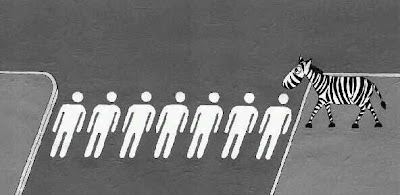


Excellence!

'
'
'
'
'
'
'
'
'
'
A German once visited a temple under construction where he slaw a sculptor making an idol of God. Suddenly he noticed a similar idol lying nearby. Surprised, he asked the sculptor, "Do you need two statues of the same idol?" "No," said the sculptor without looking up, "We need only one, but the first one got damaged at the last stage." The gentleman examined the idol and found no apparent damage. "Where is the damage?" he asked. "There is a scratch on the nose of the idol." said the sculptor, still busy with his work. "Where are you going to install the idol?"
The sculptor replied that it would be installed on a pillar twenty feet high. "If the idol is that far, who is going to know that there is a scratch on the nose?" the gentleman asked. The sculptor stopped his work, looked up at the gentleman, smiled and said, "I will know it."
The desire to excel is exclusive of the fact whether someone else appreciates it or not. "Excellence" is a drive from inside, not outside. Excellence is not for someone else to notice but for your own satisfaction and efficiency...
Tuesday, April 12, 2011
Tired of breathing dirty air? Well, you can help reduce air pollution.

Every time you drive to work or school, use your heater or air conditioner, clean your windows or even style your hair, you make choices that can reduce or increase air pollution.
This pamphlet shows you how to reduce air pollution. When more people make clean air their business, we'll all breathe easier.
Drive Less
Everywhere in the world, about half the air pollution comes from cars and trucks. Two big ways to reduce air pollution are to drive less, even a little less, and to drive smart. Fewer trips in your car or truck will help cut air pollution. And how you drive can reduce your car's air pollution contribution.
Driving less doesn't mean you have to stay home. Try combining driving with other ways of getting where you want to go:
1. Carpool.
2. Walk or ride a bike.
3. Shop by phone or mail.
4. Ride public transit.
5. Telecommute.
2. Walk or ride a bike.
3. Shop by phone or mail.
4. Ride public transit.
5. Telecommute.
Drive Smart
6. Accelerate gradually.
7. Use cruise control on the highway.
8. Obey the speed limit.
9. Combine your errands into one trip.
10. Keep your car tuned and support the Smog Check Program.
11. Don't top off at the gas pump.
12. Replace your car's air filter.
13. Keep your tires properly inflated.
14. Report smoking vehicles.
That's not all. When shopping for your next car...7. Use cruise control on the highway.
8. Obey the speed limit.
9. Combine your errands into one trip.
10. Keep your car tuned and support the Smog Check Program.
11. Don't top off at the gas pump.
12. Replace your car's air filter.
13. Keep your tires properly inflated.
14. Report smoking vehicles.
15. Look for the most efficient, lowest polluting model or even a zero-polluting electric car.
And if you must drive on days with unhealthy air...16. Drive your newest car. Newer cars generally pollute less than older models.
Choose Air-Friendly Products
Many products you use in your home, in the yard, or at the office are made with smog-forming chemicals that escape into the air when you use them. Here's a few ways to put a lid on products that pollute:
17. Select products that are water-based or have low amounts of volatile organic
compounds (VOCs).
18. Use water-based paints. Look for paints labeled zero-VOC.
19. Paint with a brush, not a sprayer.
20. Store solvents in air-tight containers.
21. Use a push or electric lawn mower.
22. Start your barbecue briquettes with an electric probe. Or use a propane or natural gas barbecue.
Save Energy
Saving energy helps reduce air pollution. Whenever you burn a fossil fuel, you pollute the air. Use less gasoline, natural gas, and electricity (power plants burn fossil fuels to generate electricity):
23. Turn off the lights when you leave a room.
24. Replace energy-hungry incandescent lights with fluorescent lighting.
25. Check with your utility company for energy conservation tips.
26. Use a programmable thermostat that automatically turns off
the air conditioner or heater when you don't need them.
27. Add insulation to your home.
28. Use a fan instead of air conditioning.
29. Use an EPA-approved wood burning stove or fireplace insert.
30. Microwave small meals.
31. Insulate your water heater.
32. Install low-flow shower heads.
Waste Not
It takes energy to make and sell the products we use. Here are ways to cut energy use, reduce air pollution, and save money.
33. Choose recycled products.
34. Choose products with recyclable packaging.
35. Reuse paper bags.
36. Recycle paper, plastics, and metals.
37. Print and photocopy on both sides of paper.
34. Choose products with recyclable packaging.
35. Reuse paper bags.
36. Recycle paper, plastics, and metals.
37. Print and photocopy on both sides of paper.
Watch Out for the Small Stuff
When you breathe, very small particles such as dust, soot, and acid droplets can slip past your lung's natural defense system. These particles get stuck deep in your lungs and may cause problems increased asthma attacks, more bronchitis and other lung diseases, less resistance to infections, and even premature death for the elderly or people who are already ill. Here are a few things you can do to reduce PM10 pollution and protect yourself:
38. Don't use your wood stove or fireplace on days with unhealthy air.
39. Avoid using leaf blowers and other types of equipment that raise a lot of dust. Try using a rake or broom.
40. Drive slowly on unpaved roads.
41. Drive less, particularly on days with unhealthy air.
42. Avoid vigorous physical activity on days with unhealthy air.
39. Avoid using leaf blowers and other types of equipment that raise a lot of dust. Try using a rake or broom.
40. Drive slowly on unpaved roads.
41. Drive less, particularly on days with unhealthy air.
42. Avoid vigorous physical activity on days with unhealthy air.
Know the Inside Story
Air pollution is a problem indoors and out. Most people spend at least 80 percent of their lives indoors. Here are some ways you can reduce pollution in your home, office, or school:
43. Don't smoke. If someone must smoke, send them outdoors.
44. Some products such as cleaning agents, paints, and glues
contain dangerous chemicals. Use them outdoors or with
plenty of ventilation indoors.
45. Use safer products, such as baking soda instead of harsher
cleaners.
46. Don't heat your home with a gas cooking stove.
47. Have your gas appliances and heater regularly inspected
and maintained.
48. Clean frequently to remove dust and molds.
Speak Up for Clean Air
Now that you have read this pamphlet, you know more about reducing air pollution than most people. Try some of the ways described above. It will make a difference. Then, let other people know what you've found out.:
49. Write to your local paper. Support action for healthy air.
50. Let your elected representatives know you support action for cleaner air.
50. Let your elected representatives know you support action for cleaner air.
Thursday, February 10, 2011
Everything Happens For a Reason
|
Wednesday, January 19, 2011
CHILD INNOCENCE

Childhood Innocence
Saturday, November 20, 2010
SOME INTERESTING FACTS ABOUT ORKUT


- ORKUT BUYUKKOKTEN( the creator of Orkut) gets $12 when a person registers to this website.
- He also gets $10 when you add somebody as a friend.
- He gets $8 when your friend’s friend adds you as a friend & gets $6 if anybody adds you as a friend in the resulting chain.
- He gets $5 when you scrap somebody & $4 when somebody scraps you.
- He also gets $200 for each photograph you upload on Orkut.
- He gets $2.5 when you add your friend in the crush-list or in the hot-list.
- He gets $2 when you become somebody’s fan.
- He gets $1.5 when somebody else becomes your fan.
- He even gets $1 every time you logout of Orkut.
- He gets $0.5 every time you just change your profile-photograph.
- He also gets $0.5 every time you read your friend’s scrap-book & $0.5 every time you view your friend’s friend-list.
- Many Global Financial Consultants think this person might become the richest-person in the world by the end of 2009.
- This is the best fact. This person has 13 assistants to monitor his scrapbook & 8 assistants to monitor his friends-list. He gets around 20,000 friend-requests a day & about 85,000 scraps a day.
- Finally Orkut got closed on 30 September 2014.
Subscribe to:
Posts (Atom)